
Residential Roofing
Residential Roofing in South Bend, IN
Residential roofing in South Bend, IN, is roofing for homes across three housing-stock layers: a pre-1920 core around downtown and the river, 1910s–1930s revival suburbs, and a large postwar ring of ranches, bi-levels, and split-levels. This page is the audience hub for homeowners, linking to the services, the neighborhood notes, and the blog posts that cover each layer. For repair, replacement, and inspection, start with roof repair, roof replacement, and roof inspection. Call (574) 901-6308 during business hours.
Service overview
Roofing for South Bend Homes, Layer by Layer
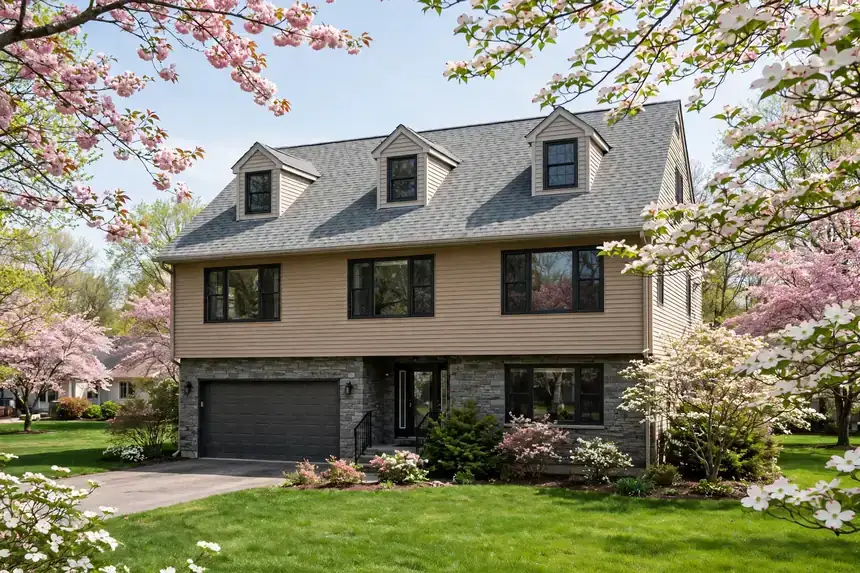
South Bend housing falls into three layers, and the roofing questions differ by layer. The pre-1920 core, Victorian, Foursquare, bungalow, and Queen Anne stock around downtown, the river, and the Near Northwest and Near West Side, presents layered coverings, old flashing, and deck questions. The 1910s–1930s revival suburbs, Colonial Revival, Tudor Revival, Craftsman, and Prairie stock, present dormers, valleys, and steep pitches. The postwar ring, ranches, bi-levels, and split-levels from the 1940s to the 1960s, presents long low slopes and valley length. The neighborhood pages set out the local evidence area by area.
Live rebuild cohorts overlay the old stock: Lincoln Park has 92 homes being built from October 2024 to 2029, and the Near Northwest has post-2019 infill on vacant lots. Those new homes are context, not a claim about work performed. What unites all three layers is weather: lake-effect snow with a 1991–2020 normal of 64.5 inches and a range from 39.0 inches in 2021 to 91.8 inches in 2022, freeze-thaw cycles, the 115 mph design wind speed, and dated hail events. The repair-or-replacement post covers the central homeowner decision.
The three layers
Three Housing Layers, Three Roofing Conversations
Each layer below is a summary of the housing-stock evidence. Roof forms and materials at neighborhood level are unverified unless stated.
The pre-1920 core
Victorian, Foursquare, bungalow, and Queen Anne stock around downtown, the river, and the near west and northwest. Plausible themes, labelled as inference: deck condition, prior layers, ice barrier, and ventilation on second- or third-generation roofs.
Revival suburbs
Colonial Revival, Tudor Revival, Craftsman, and Prairie stock from the 1910s to the 1930s in the revival suburbs. Dormers, valleys, and steep pitches concentrate the flashing and detailing questions.
The postwar ring
Ranches, bi-levels, and split-levels from the 1940s to the 1960s, extending to 1999 in places, in the outer neighborhoods. Long low slopes, valley length on split-levels, and single-era cohorts of roofs aging together.
Live rebuild cohorts
Lincoln Park's 92 homes from October 2024 to 2029, Near Northwest infill on vacant lots, and Southeast redevelopment since the mid and late 1990s overlay the old stock. New and old sit on adjacent streets, and the two must never be conflated.
How the work proceeds
How a Residential Roofing Conversation Proceeds
The homeowner journey below is the same across the layers. What differs is the house in front of you.
STEP 01
Describe the house and the problem
The layer, the age as known, the roof history, and what has been noticed: leaks, missing shingles, storm damage, or simply age. That description shapes the inspection.
Homeowner topics
Residential Roofing Topics for South Bend Homeowners
Leak response
When water shows inside, containment, documentation, and tracing come first. The leak detection page explains how a leak is traced from stain to source, and the emergency page covers the safety-first steps.
The replacement decision
Repair or replacement is weighed on findings together: spread of damage, deck and flashing condition, prior layers, and attic findings. No single age figure decides it. See roof replacement.
Storm documentation
After a dated storm, photographs, dates, and a written scope form the record. The storm damage page carries documentation checklists and adjuster-meeting preparation.
Inspection use cases
Pre-purchase, storm, and maintenance inspections answer different questions with the same coverage. The roof inspection page covers all three in one place, with ice-dam prevention.
Gutters and downspouts
Water that cannot leave the roof backs into it. Gutter and downspout condition is part of every residential roofing conversation; see gutter installation, gutter repair, and downspout installation.
Ventilation and ice dams
Attic warmth, ventilation balance, and air sealing are the ice-dam prevention themes, covered substantively on the roof inspection page.
Flashing details
Chimney, wall, skylight, and dormer flashing decide whether a roof stays dry. The chimney flashing and skylight repair pages cover the most involved details.
Material choices
Asphalt shingle is the dominant evidenced material, compared on the shingle roofing page. Metal is contrasted on the metal roofing page, including the district constraint. Low-slope roofs are covered on the flat roofing page.
Permits and districts
Re-roofing is permitted work, and in the HP Overlay the COA comes before the permit. National Register listing alone triggers no review; local designation does. The roof replacement page carries the full education.
Upkeep education
General upkeep education, what to watch, what to keep clear, and when to look again, is covered on the roof maintenance page. No program terms are stated, since none were supplied.
Where residential roofing fits
Residential Situations Across the Three Layers
A core bungalow or Foursquare
A pre-1920 core house with a layered roof and old flashing. The questions are deck condition, prior layers, ice barrier, and ventilation, weighed as plausible themes and settled by inspection.
A revival-suburb home
A Colonial Revival, Tudor Revival, or Craftsman home with dormers and valleys. The flashing and valley details lead the conversation, along with the district status where one applies.
A postwar ranch or split-level
A ranch, bi-level, or split-level with long low slopes and valley length. The questions are field condition, valley wear, and drainage at the eaves, weighed across the whole roof.
A buyer or seller
A pre-purchase or seller-side inspection puts findings in writing before a commitment is made. The record supports a decision grounded in evidence, on either side of the sale.
South Bend context
Residential Roofing Against South Bend Neighborhoods and Weather
The neighborhood pages below link the residential hub to the local evidence, area by area. Each area's entry states what is evidenced, what is inference, and what is unverified, and the roofing conversation follows from that honesty. Weather frames every area: lake-effect snow, freeze-thaw, the 115 mph design wind speed, and dated hail. Neighborhood notes below link to the Near Northwest, Sunnymede, and River Park pages, and the full neighborhood list carries the rest.
Near Northwest
An umbrella neighborhood with a Victorian, Foursquare, and bungalow core plus post-2019 infill, where boundaries vary by source and district membership is address-specific. Read the Near Northwest roofing notes.
Sunnymede
A 1920s subdivision with mixed revival and Foursquare stock, where the East Wayne Street local historic district has an active COA process. Read the Sunnymede roofing notes.
River Park
East-side stock developed primarily 1920–1960, with a substantial renter and investor presence. Read the River Park roofing notes.
Wooded Estates
A subdivision split by Twyckenham Drive, with a plat recorded in 1946 and a dating tension in the evidence. Read the Wooded Estates roofing notes.
Kennedy Park
West-side stock under a City plan adopted in September 2022, with bungalows, traditional two-story homes, and Colonial Revivals on roughly eighth-acre lots. Read the Kennedy Park roofing notes.
Lake-effect snow
The NWS normal of 64.5 inches, with a range from 39.0 inches in 2021 to 91.8 inches in 2022, means snow load, ice barrier, and ventilation belong in every residential roofing conversation here.
Wind
The design wind speed is 115 mph, and the June 23, 2019 EF2 tornado in Gulivoire Park is the dated local wind event. The wind damage page covers the detail.
Hail
Secondary sources report hail up to 2.5 inches on July 20, 2023, and 2.75-inch hail on June 15, 2008. The hail damage page reports the events in full.
Permits and COA
Re-roofing is permitted work, and in the HP Overlay the COA comes before the permit. The roof replacement page carries the permit and district education in full.
Problems we solve
Residential Roof Problems in South Bend
Each problem below is a reason to look closely, starting with the surface and the attic together.
Leaks and stains
Water showing inside is traced from stain to source through the attic and the surface. The leak detection page explains the tracing steps.
An aging field
Wear spread across the field, rather than confined to one area, points toward a system question. Age and condition are weighed together, with findings shown.
Storm damage
Wind, hail, and water entry after a dated storm are documented and assessed on the storm damage sequence, with photographs, dates, and a written scope.
Ice dams
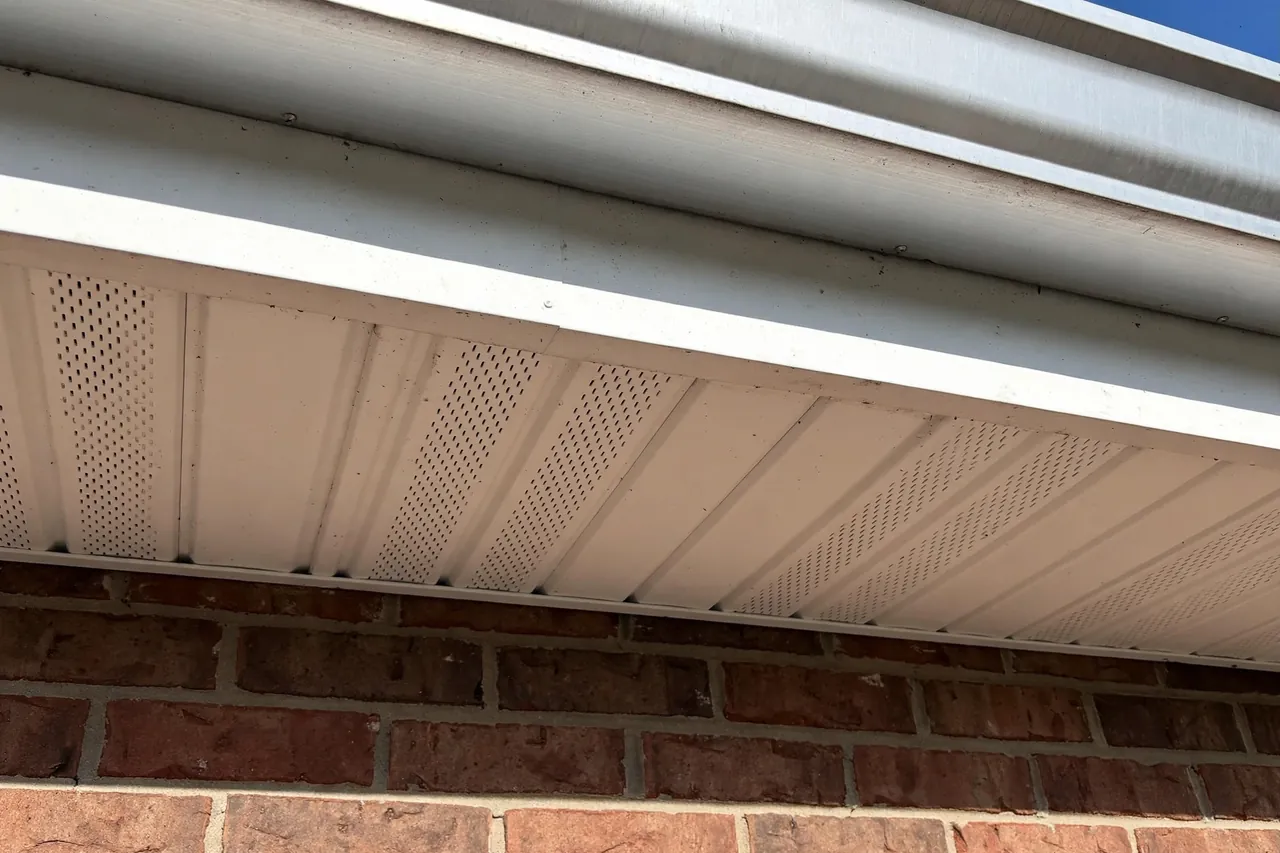
Ice dams at the eaves point to attic warmth, ventilation, or air sealing. The prevention themes are covered substantively on the roof inspection page.
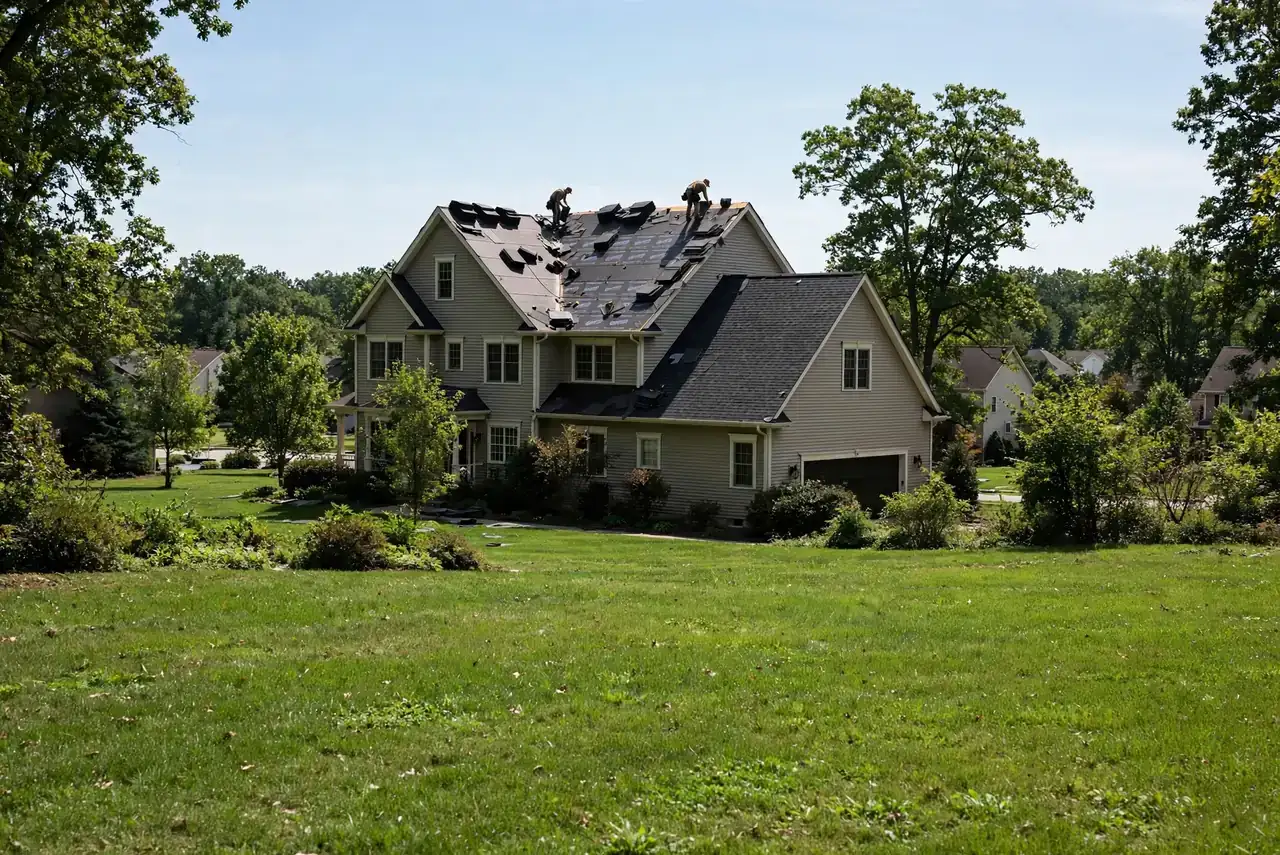
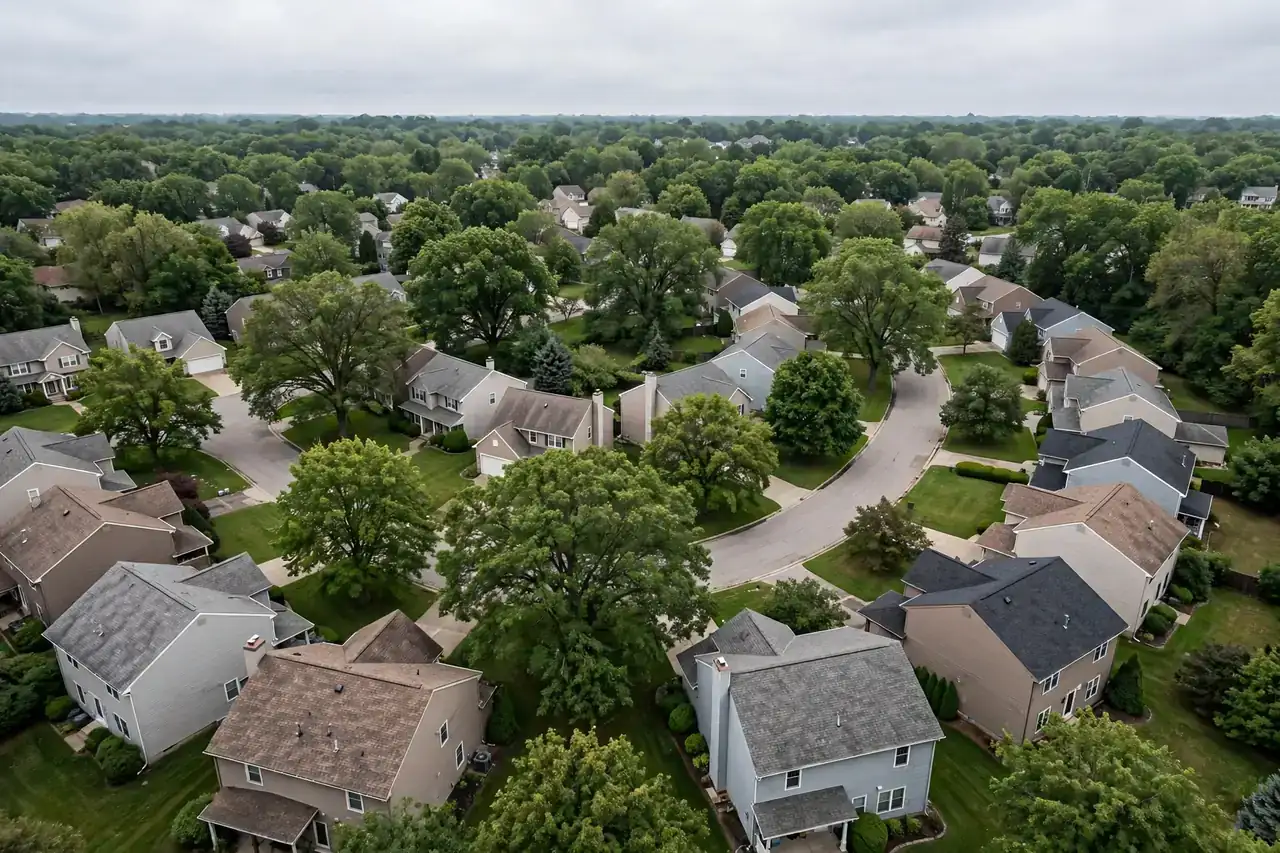
A practical standard for every visit.
Clear planningPrepared arrivalsCareful workLocal follow-through
What to expect
What a Residential Roofing Conversation Covers
A residential roofing conversation covers the house, the findings, the scope, and the permit and approval steps for the address. Quality Roofing LLC is a South Bend roofing contractor at 63251 Mulberry Rd, reachable by phone at (574) 901-6308 during listed hours. The repair-or-replacement post, the hiring checklist post, and the neighborhood pages carry the same ground from the homeowner side.
- The house and its layer: core, revival suburb, or postwar ring, as context
- Inspection findings: surface, attic, flashing, and drainage, looked at together
- A written scope, with permit and district steps for the specific address
- Phone contact during listed hours: Mon–Fri 7 AM–7 PM, Sat 8 AM–8 PM, Sun Closed
- A 5.0-star rating from 23 Google reviews, with excerpts and a link to the Google profile below
Neighborhood pages
Neighborhood Pages for South Bend Roofing Notes
Downtown South BendNear NorthwestRiver ParkHoward ParkSunnymedeKeller ParkEdison ParkLincoln ParkLaSalle Park
See all neighborhood pages Notes from local customers
What South Bend Homeowners Say
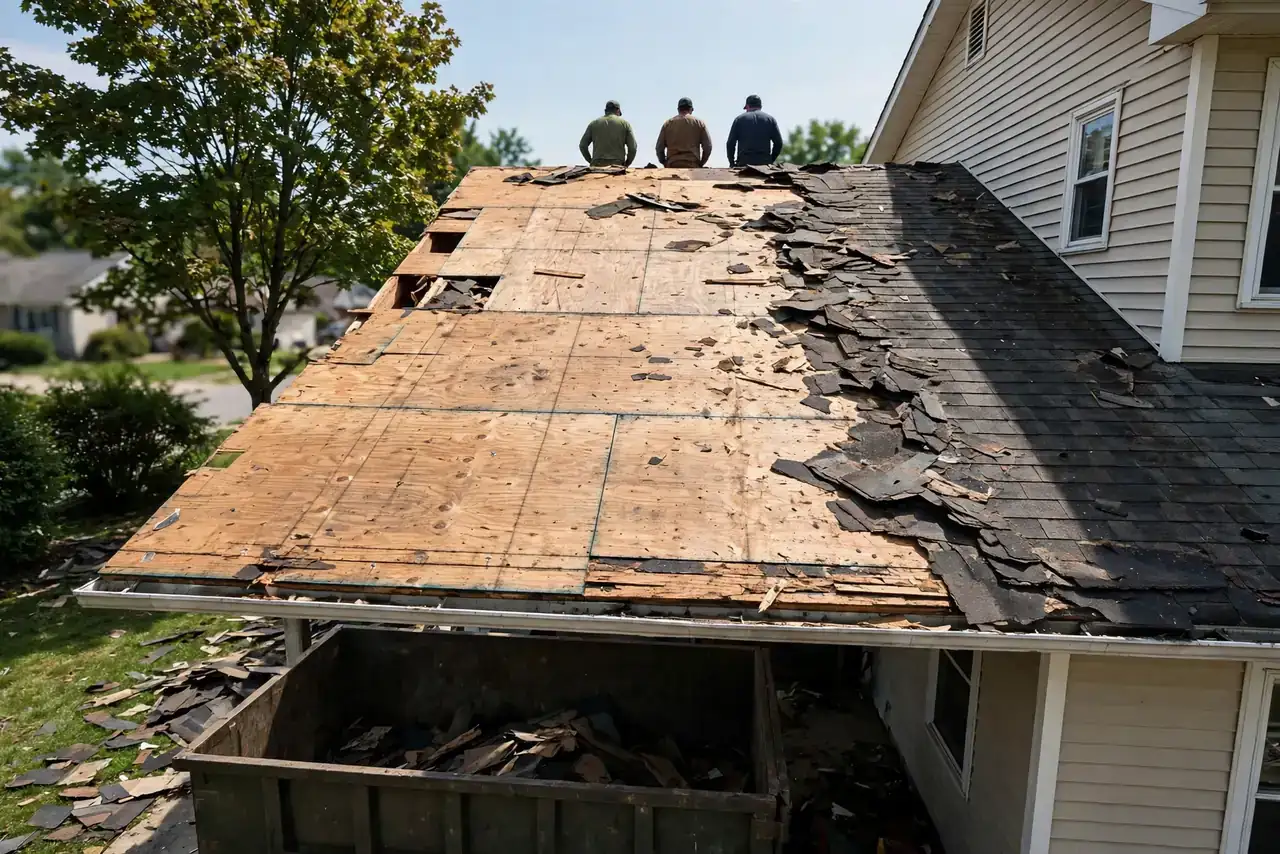
Quality Roofing did a great job on our roof. They showed up as promised and our roof was completed in 2 days, including tearing off the old shingles, and replacing several sheets of plywood. We are very happy with their work.
The guys were able to finish the job in one day even though the short rain. They were very respectful not only to me but about my property.
Roberto is very good at what he does. Explains everything in detail. Also actually listens to the customer and doesn't try to sell you anything that is not really necessary!
Before the visit
Residential Roofing Questions South Bend Homeowners Ask
Still wondering?(574) 901-6308
South Bend housing falls into three layers: a pre-1920 core, 1910s–1930s revival suburbs, and a postwar ring of ranches, bi-levels, and split-levels. Each layer presents different questions, from layered coverings and old flashing in the core to valley length on split-levels. The neighborhood pages set out the local evidence area by area.
By weighing the findings together: how widespread the damage is, the condition of the deck and flashing, the number of prior layers, and what the attic shows. No single age figure or threshold decides it. A roof inspection covering the surface and the attic is the usual starting point.
Re-roofing is permitted work through the joint St. Joseph County / City of South Bend Building Department. In a locally designated historic district, the COA comes before the building permit. No verified repair threshold was found in any primary source, so none is stated here.
The covering, flashing, valleys, attic and ventilation, and gutters and drainage, with findings left in writing. One inspection page covers the pre-purchase, storm, and maintenance use cases, since splitting them would only repeat the same ground.
Keep exploring
Related Services
Call during business hours
Talk About Residential Roofing in South Bend
Call Quality Roofing LLC at (574) 901-6308 during listed hours: Mon–Fri 7 AM–7 PM, Sat 8 AM–8 PM, Sun Closed. Describe the house and what the roof is doing, and the conversation starts from the findings.
Start with the basics
Contact Quality Roofing LLC
Call Quality Roofing LLC at (574) 901-6308 during business hours: Mon–Fri 7 AM–7 PM, Sat 8 AM–8 PM, Sun Closed. Phone is the contact channel for this business. The office address is 63251 Mulberry Rd, South Bend, IN 46614.