
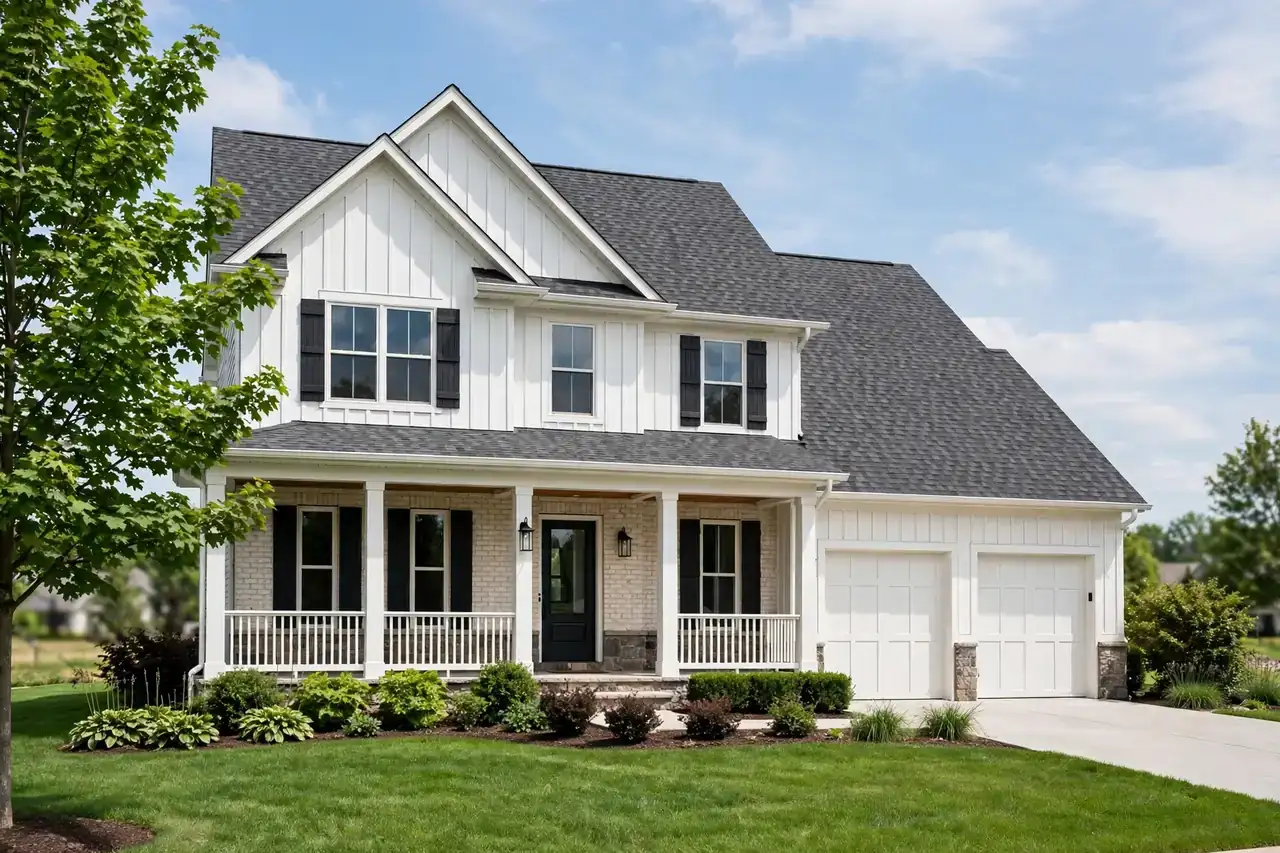
Wind Damage Roof Repair
Wind Damage Roof Repair in South Bend, IN
Wind damage roof repair in South Bend, IN, is anchored in one code figure and two dated events: a 115 mph design wind speed in the adopted code design values for St. Joseph County, the EF2 tornado in Gulivoire Park on June 23, 2019, and the F3 tornado on October 24, 2001. No other wind statistics are published on this page, because none were sourced. This page explains what wind does to roofs, how damage is documented, and how the repair scope follows the findings. For the wider storm picture, see storm damage and hail damage. Call (574) 901-6308 during business hours.
Service overview
What Wind Does to a Roof in South Bend
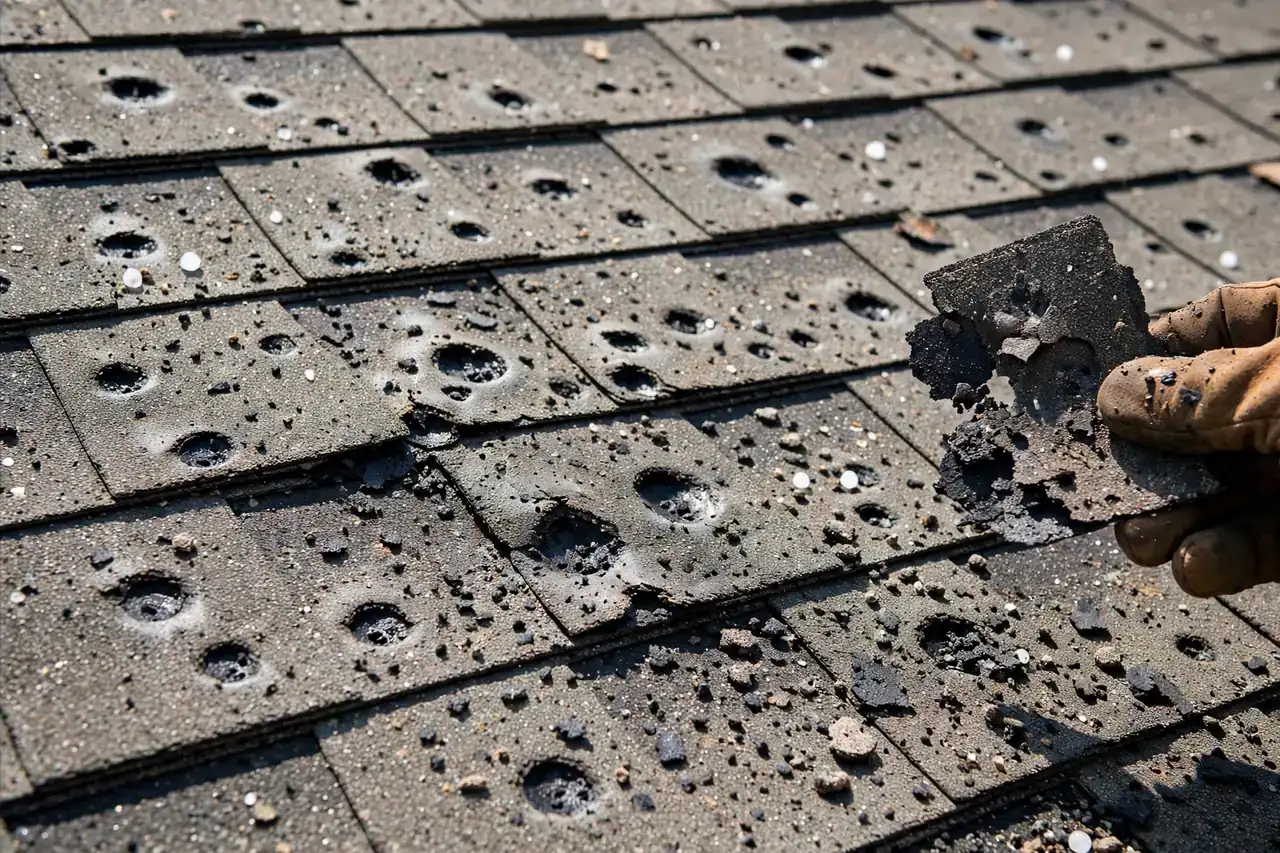
Wind gets under shingle edges, breaks the seals between courses, and removes pieces, starting at edges, ridges, and the windward slope. The damage spreads as neighboring seals fail, so the field is checked beyond the visibly missing pieces. Flashing at chimneys, walls, and ridges can lift, and debris can strike the covering. The after wind damage post covers the first steps from the homeowner side, and the emergency roof repair page covers the safety-first steps when the roof is open to the weather.
The dated wind record is short and specific. The June 23, 2019 EF2 tornado in Gulivoire Park carried winds of 115–125 mph along a 2-mile path, and a separate EF0 touched down that day. The earlier dated event is the October 24, 2001 F3 tornado. No wind frequency figure, gust statistic, or storm count is published here, since none was sourced. The honest response to wind damage is the same as to any storm damage: documentation, inspection of the surface and the attic together, and a written scope that follows the findings.
Effects
Four Wind Effects Checked on Every Call
Wind damage hides in the seals and joints. Each effect below is checked beyond what is visible from the ground.
Lifted shingles and broken seals
Shingles can lift and reseal, or lift and stay lifted, with the seal broken either way. Lifted seals admit water in the next rain and admit wind in the next storm, so the field is checked course by course.
Missing shingles
Gaps in the field expose underlayment to the next rain. Missing shingles are photographed from the ground, the debris noted, and the surrounding courses checked for lifted seals.
Flashing and ridge effects
Ridge covering and flashing at chimneys and walls can lift or displace under wind. These joints are checked alongside the field, since a lifted ridge or flashing joint leaks even when the field looks sound.
Debris impact
Branches and debris striking the roof can puncture covering and, in the worst case, affect framing. Impact points are documented and the deck beneath checked where the covering is opened.
How the work proceeds
How Wind Damage Roof Repair Proceeds, Step by Step
The sequence is safety, documentation, inspection, scope, and then work, with no step skipped.
STEP 01
Safety and the first call
Stay off the roof. Contain water inside, photograph the damage and debris from the ground, and call during listed hours with the storm date and what was noticed.
Wind education
Wind Damage Patterns, Documentation, and Dated Events
Sealant strips
The seal between shingle courses is what holds the field against wind uplift. Once broken, a seal may look intact from the ground while admitting water and wind. The field is checked by hand and by eye, course by course.
Edges and ridges
Roof edges and ridges take the first and hardest wind load, and damage often starts there. Edge and ridge details are checked first on a wind call, before the field is judged.
Valleys under wind
Valleys gather water and, under wind-driven rain, admit it through joints that hold in calm weather. A valley leak after wind is traced through the valley construction, not only across the visible shingles.
Flashing under wind
Flashing at chimneys, walls, and penetrations can lift or displace under wind load. The chimney flashing page covers the most involved of these details.
Gutters and downspouts
Wind and debris damage gutters and downspouts, and displaced gutters change how water leaves the roof. The drainage path is checked as part of a wind assessment; see gutter repair.
Documentation checklist
Photographs, the storm date, weather notes, and kept material form the record. The full checklists, including adjuster-meeting preparation, are on the storm damage page.
Inspection approach
A wind inspection checks the field, the seals, the flashing, and the attic together, with attention to the windward slope and the direction the storm came from. The roof inspection page covers the storm-inspection use case.
Insurance framing, briefly
Documentation and adjuster-meeting preparation are the help described here. Your deductible is your responsibility under your policy. Outcomes rest with the insurer and the policy.
The June 23, 2019 EF2 tornado
The EF2 tornado in Gulivoire Park, with winds of 115–125 mph over a 2-mile path, is the dated local wind event, with a separate EF0 that day. Width figures conflict within the sources and are not stated here.
The October 24, 2001 F3 tornado
The F3 tornado of October 24, 2001, is the earlier dated event in the local record. Path-length figures conflict within the sources and are not stated here.
Historic-district wind repairs
Where local designation applies, the COA comes before the building permit, and in-kind asphalt re-roofing is administratively approvable under the district standards. The approval order is confirmed at the start.
Where wind repair fits
Wind Situations South Bend Homeowners Describe
A few shingles missing
A small number of shingles are down after a wind event. The gaps are repaired, the surrounding seals checked, and the field photographed. The question is whether the damage stops at the visible gaps.
A whole slope affected
Damage spreads across a slope, with lifted seals throughout. The scope weighs repair against replacement on the findings, with the permit steps and the written scope in order.
A leak after wind, no visible damage
Water appears after wind, but the roof looks sound from the ground. The attic and the surface are checked together, since lifted seals and displaced flashing hide from the yard.
Repeat wind damage
The same slope loses shingles in successive storms. The conversation turns to the underlying questions: seals, flashing, ventilation, and the condition of the field, weighed together rather than assumed.
South Bend context
Wind Damage Against South Bend Housing and Weather
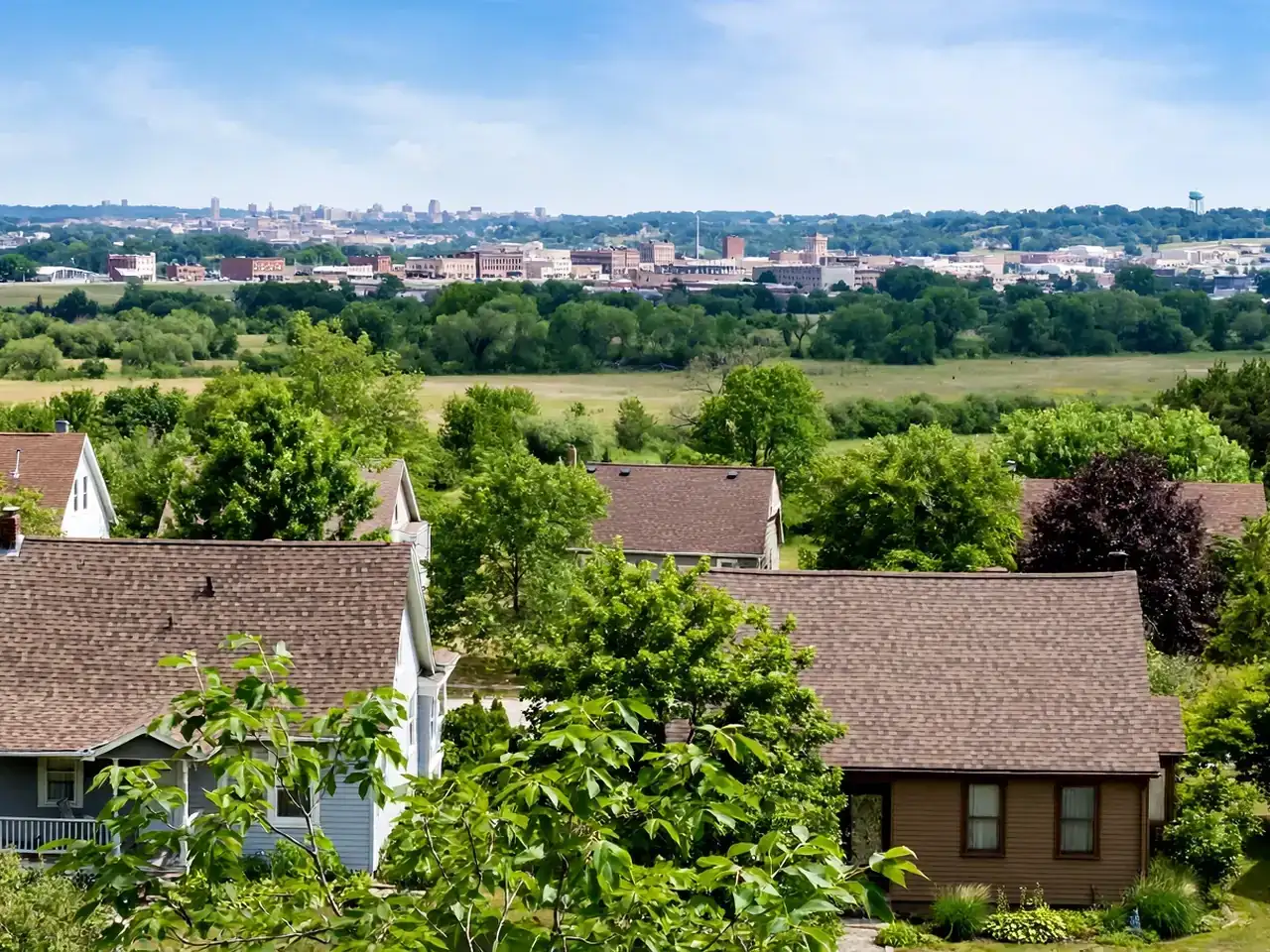
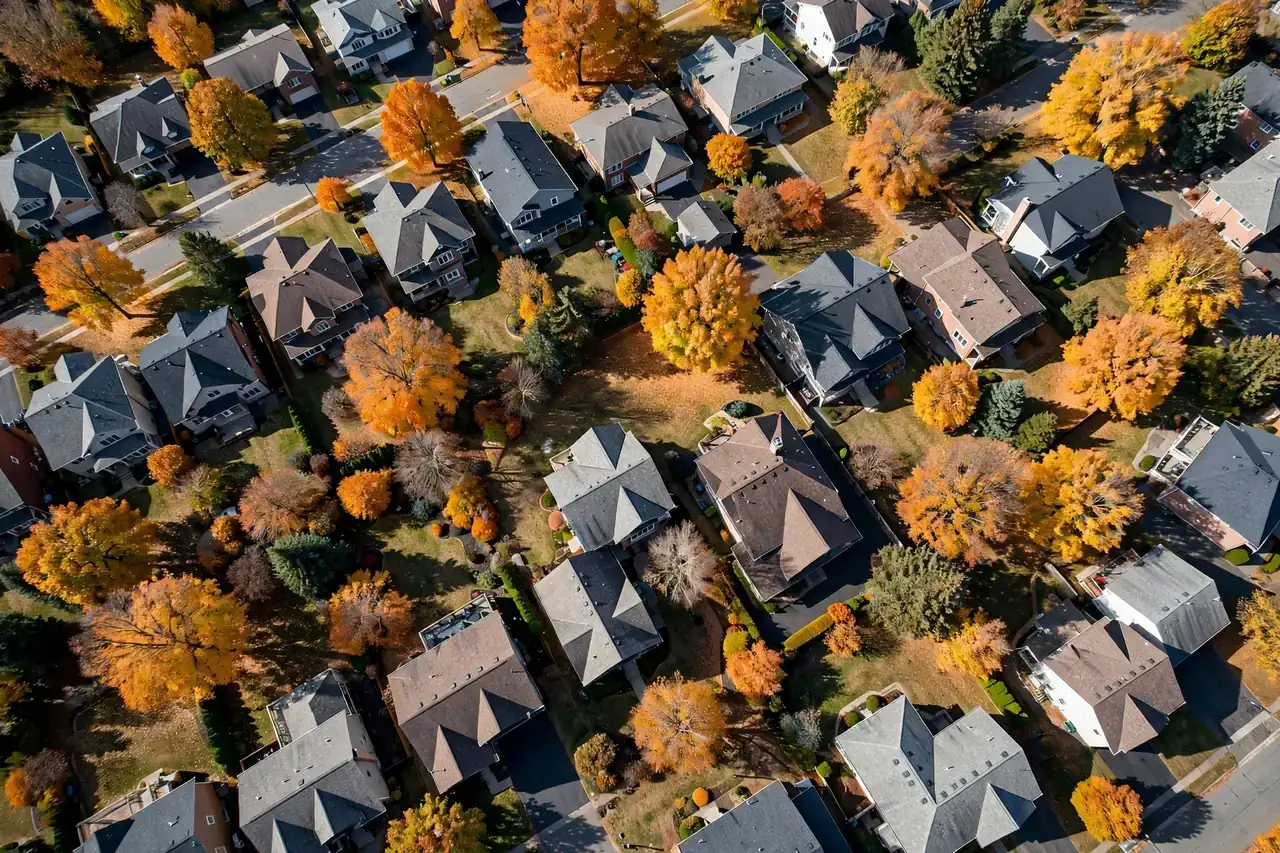
South Bend's housing layers face wind differently: older core houses with layered coverings, revival suburbs with dormers and valleys that catch wind, and postwar ranches with long low slopes. The 115 mph design wind speed and the two dated tornadoes frame the discussion, and no other wind statistics are published. Neighborhood notes below link to the Keller Park, River Park, and North Shore Triangle pages.
Keller Park
Small-lot stock of Cape Cods, bungalows, and ranches on the northwest side, on a curve of the river. Small houses mean wind damage reaches living space quickly. Read the Keller Park roofing notes.
River Park
East-side stock developed primarily 1920–1960, with a substantial renter and investor presence. Documentation after wind matters for owners and occupants alike. Read the River Park roofing notes.
Near Northwest
An umbrella neighborhood with a Victorian, Foursquare, and bungalow core plus post-2019 infill, where boundaries vary by source and district membership is address-specific. Read the Near Northwest roofing notes.
North Shore Triangle
River-curve vintage stock spanning early-1900s homes through mid-century ranches. River exposure is part of the setting, and the inspection checks the field regardless of setting. Read the North Shore Triangle roofing notes.
Kennedy Park
West-side stock of vintage early-1900s to 1999 homes, including bungalows, traditional two-story homes, and Colonial Revivals on roughly eighth-acre lots, under a City plan adopted in September 2022. Read the Kennedy Park roofing notes.
Design wind speed
The adopted code design values for St. Joseph County list a 115 mph wind speed, alongside a 30 psf ground snow load and ice shield required. It is the code anchor for the wind discussion.
The 2019 EF2 tornado
The June 23, 2019 EF2 tornado in Gulivoire Park, with winds of 115–125 mph over a 2-mile path, is the dated local wind event. A separate EF0 occurred that day.
Dated hail events
Secondary sources report hail up to 2.5 inches on July 20, 2023, and 2.75-inch hail on June 15, 2008. Hail often arrives with wind, and the inspection checks for both; see hail damage.
Lake-effect snow
The NWS snowfall normal is 64.5 inches, with a range from 39.0 inches in 2021 to 91.8 inches in 2022. Snow load and ice-barrier questions follow wind questions through the South Bend year.
Problems we solve
Wind Problems Assessed and Repaired in South Bend
Each problem below starts with documentation from the ground. The scope follows the findings.
Shingles in the yard
Shingles found in the yard after wind mean gaps in the field. The gaps are photographed, the debris kept until recorded, and the surrounding seals checked.
Lifted tabs that resealed
Shingles that lifted and settled back can look sound while their seals are broken. The field is checked course by course, since resealed tabs still admit water and wind.
A leak at the ridge or valley
Water entering at the ridge or a valley after wind often traces to displaced covering or flashing. The source is traced through the attic and the surface.
Gutter and downspout damage
Displaced or dented gutters change how water leaves the roof. The drainage path is checked as part of the wind assessment, with the gutter repair page covering the detail.

A practical standard for every visit.
Clear planningPrepared arrivalsCareful workLocal follow-through
What to expect
What a Wind Damage Conversation Covers
A wind damage conversation covers the storm date, the documentation, the inspection findings, and the scope, in that order. Quality Roofing LLC is a South Bend roofing contractor at 63251 Mulberry Rd, reachable by phone at (574) 901-6308 during listed hours. The after wind damage post covers the first steps from the homeowner side.
- Storm date and observations, noted first
- Documentation: photographs, weather notes, and kept material
- Findings from the inspection, explained with photographs and left in writing
- Phone contact during listed hours: Mon–Fri 7 AM–7 PM, Sat 8 AM–8 PM, Sun Closed
- A 5.0-star rating from 23 Google reviews, with excerpts and a link to the Google profile below
Neighborhood pages
Neighborhood Pages for South Bend Roofing Notes
Downtown South BendNear NorthwestRiver ParkHoward ParkSunnymedeKeller ParkEdison ParkLincoln ParkLaSalle Park
See all neighborhood pages Notes from local customers
What South Bend Homeowners Say
The guys were able to finish the job in one day even though the short rain. They were very respectful not only to me but about my property.
Roberto is very good at what he does. Explains everything in detail. Also actually listens to the customer and doesn't try to sell you anything that is not really necessary!
Quality Roofing did a great job on our roof. They showed up as promised and our roof was completed in 2 days, including tearing off the old shingles, and replacing several sheets of plywood. We are very happy with their work.
The adopted code design values for St. Joseph County list a 115 mph wind speed. The dated local wind events are the June 23, 2019 EF2 tornado in Gulivoire Park, with winds of 115–125 mph over a 2-mile path, and the October 24, 2001 F3 tornado. No other wind statistics are published on this page.
It depends on what the inspection finds beyond the visible gaps: lifted seals on neighboring courses, displaced flashing, and attic findings all bear on the answer. Isolated damage points toward repair; widespread damage points toward a replacement conversation.
Photographs of the gaps, the debris, and the interior effects, with the storm date and weather notes. Keep damaged material until it has been photographed. Full checklists, including adjuster-meeting preparation, are on the storm damage page.
Your deductible is your responsibility under your policy. This page states that plainly and offers no arrangement around it. Documentation checklists and adjuster-meeting preparation are the help described here.
Keep exploring
Other roof work South Bend homeowners pair with wind repair
Call during business hours
Talk About Wind Damage in South Bend
Call Quality Roofing LLC at (574) 901-6308 during listed hours: Mon–Fri 7 AM–7 PM, Sat 8 AM–8 PM, Sun Closed. Note the storm date and what was noticed, and the conversation starts from the documentation.
Start with the basics
Contact Quality Roofing LLC
Call Quality Roofing LLC at (574) 901-6308 during business hours: Mon–Fri 7 AM–7 PM, Sat 8 AM–8 PM, Sun Closed. Phone is the contact channel for this business. The office address is 63251 Mulberry Rd, South Bend, IN 46614.