
Rubber roofing vs TPO for flat roofs in South Bend
EPDM rubber and TPO are two membranes used on flat and low-slope roofs. This guide describes both in general terms for comparison. It does not claim that Quality Roofing LLC installs either system.
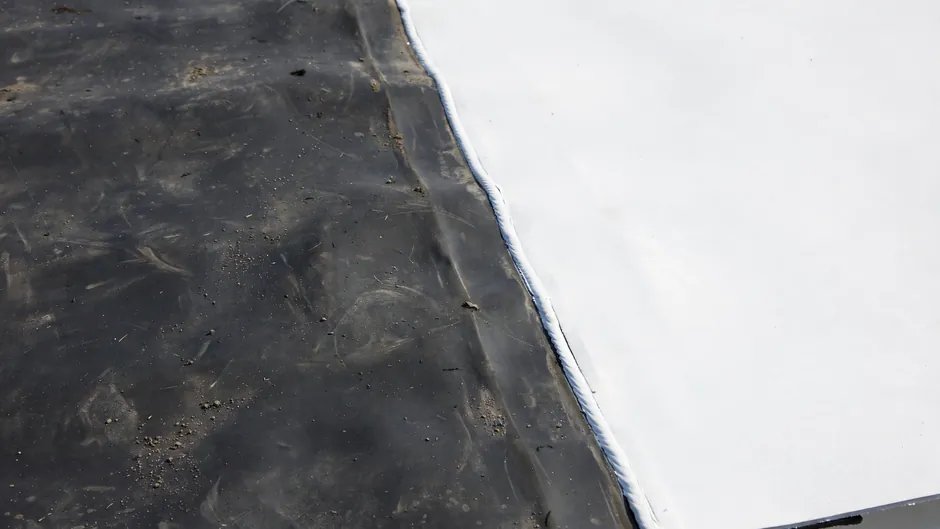
Rubber roofing vs TPO for flat roofs in South Bend is a comparison of two membrane systems used on flat and low-slope roofs: EPDM, often called rubber roofing, and TPO, a thermoplastic membrane. This guide describes both in general terms, so the differences can be understood. It does not claim that Quality Roofing LLC installs either system, and it states no prices and no lifespan figures.
A third system, modified bitumen, is also used on flat and low-slope roofs and is described generally on the flat roofing page, which carries the comparison education for all three. The building, drainage, and existing roof govern which comparisons matter, and an inspection record grounds the conversation.
The short answer: rubber vs TPO in South Bend
EPDM and TPO differ in membrane type, seam method, and general behavior, and the comparison below keeps those differences separate from any verdict. Neither system is presented here as better in general.
The short comparison, in general terms:
- Membrane. EPDM is a rubber membrane, typically dark. TPO is a thermoplastic membrane, typically light in color. Color affects heat behavior in general terms, and specification varies by product.
- Seams. EPDM seams are joined with adhesives or tapes, in general terms. TPO seams are heat-welded, in general terms. Seam detailing is where either system most needs attention.
- Attachment. Membranes are attached by ballast, mechanical fastening, or adhesion, depending on the system, the deck, and the specification. Attachment method is part of the written scope conversation.
For the wider flat against pitched comparison, see flat roof vs pitched roof for a South Bend business. For the commercial-core context, see roofing in downtown South Bend.
What EPDM rubber roofing actually is
EPDM, ethylene propylene diene monomer, is a synthetic rubber membrane used on flat and low-slope roofs. It is supplied in sheets, seamed on site, and finished at edges, penetrations, and drains with flashing details suited to the membrane.
In general terms, EPDM is typically dark, which affects how the membrane behaves in sun. Sheets are joined with adhesives or seam tapes, and detailing at seams, penetrations, and edges is the work that decides performance. Attachment may be ballasted, mechanically fastened, or adhered, depending on the deck and specification.
Repairs and detailing on EPDM are membrane-specific: patches, seam work, and flashing details follow the membrane manufacturer's guidance for the products in place. This guide describes the system generally and does not present repair methods as homeowner steps.
No lifespan figure and no price is stated here for EPDM, because none was sourced for this guide. Comparisons that offer either without a source should be treated as invented.
What TPO roofing actually is
TPO, thermoplastic polyolefin, is a thermoplastic membrane used on flat and low-slope roofs. It is supplied in sheets, seamed on site, and finished at edges, penetrations, and drains with flashing details suited to the membrane.
In general terms, TPO is typically light in color, which affects how the membrane behaves in sun. Sheets are joined by heat-welding, which fuses the seam, and detailing at seams, penetrations, and edges is the work that decides performance. Attachment may be mechanically fastened or adhered, depending on the deck and specification.
Repairs and detailing on TPO are membrane-specific: patches, seam work, and flashing details follow the membrane manufacturer's guidance for the products in place. Heat-welded seam work is contractor work, not a homeowner step.
No lifespan figure and no price is stated here for TPO, because none was sourced for this guide. The comparison with EPDM turns on membrane type, seam method, and detailing, weighed against the specific roof.
EPDM vs TPO: what affects cost
No prices are stated in this guide. Cost follows scope: membrane specification, attachment method, seam detailing, flashing and drainage scope, tear-off or overlay method, deck condition, and access. A comparison that names only the membrane, without scope, cannot be compared with anything.
Specification matters within either system. Membrane thickness, reinforcement, and detailing vary by product, and the written scope should name the specification rather than the membrane family alone. Ask what is named in the scope.
Drainage scope is part of either system. Drains, scuppers, and falls are designed as a system, and ponding behavior after rain or snowmelt is part of the assessment. Drainage design belongs in the scope conversation from the start.
The way to compare is a written scope for the specific roof, following an inspection. See commercial roofing for the commercial education framing, and flat roofing for the three-system comparison.
Comparing service life: EPDM and TPO
No lifespan figure is stated here for either system, because none was sourced for this guide. The honest comparison is of the considerations that affect service life, not of numbers against numbers.
For both systems, service life is affected by seam and flashing detailing, drainage and ponding exposure, snow load, attachment, and ongoing checks. Seams and flashing are the detailing that most needs attention, because water finds weak joints before it finds weak fields.
Membrane behavior in sun, temperature movement, and foot traffic during maintenance also play a part, in general terms. Product guidance for the specific membrane governs detailing questions, and this guide does not substitute general description for that guidance.
The comparison, then, is weighed against an inspection record and a written scope for the specific roof. A roof inspection records the membrane, seams, flashing, drainage, and deck condition that the scope rests on.
How South Bend weather changes the decision
South Bend weather shapes the flat-roof comparison through snow load, drainage, and seam behavior. South Bend station normals for 1991-2020 are 64.5 inches of snowfall a year, with recent seasons spanning 39.0 inches in 2021 to 91.8 inches in 2022. The adopted code sets a 30 psf ground snow load for St. Joseph County.
Snow sits on a flat roof until it melts or is addressed, and meltwater must leave through drains and scuppers that are clear and correctly placed. Ponding after rain or snowmelt stresses membranes, seams, and flashing, and drainage design is part of either system's scope.
Freeze and thaw cycles work at seams and flashing on either membrane. Temperature movement across seasons stresses joints, which is why seam detailing and flashing attention recur in every section of this guide.
Wind exposure also matters. The adopted code sets a 115 mph wind speed for St. Joseph County, and attachment method and edge detailing decide how a membrane behaves in wind. For the winter mechanism, see how to prepare your roof for a South Bend winter.
Common mistakes to avoid on flat roofs
Mistakes on flat roofs usually come from treating the membrane as the whole system, when drainage, seams, and flashing decide performance:
- Ignoring drainage. Drains, scuppers, and falls that are blocked or misplaced leave ponding, which stresses every joint.
- Assuming seams need no attention. Seams are the detailing that most needs checking, on either membrane. A membrane look that skips seams is incomplete.
- Patching without identifying the source. Water travels along decks and under membranes. The entry point is identified before patching, not assumed from the stain below.
- Damaging the membrane during access. Foot traffic, equipment, and sharp objects damage membranes. Access routes and protection belong in the maintenance conversation.
- Deferring checks. Drainage, seams, and flashing need regular attention. Putting checks off turns small detailing issues into larger scope.
For the wider flat-roof comparison, see flat roofing. For inspection scope, see roof inspection.
When to call a professional
Call a professional when you see water that remains after rain, seams or flashing that have lifted, interior ceiling stains, or sagging in the roof line. Those signs mean the flat roof needs a closer look.
Quality Roofing LLC is a roofing contractor at 63251 Mulberry Rd, South Bend, IN 46614. Calls are answered during business hours: Mon-Fri 7 AM-7 PM and Sat 8 AM-8 PM, closed Sunday. The business holds 5.0 stars from 23 Google reviews.
Ask any contractor whether the specific system proposed is one they install, and ask for a written scope naming membrane, specification, attachment, and drainage. Call (574) 901-6308 during business hours to discuss an inspection for your flat roof.
Frequently Asked Questions
How do I compare rubber roofing and TPO for flat roofs in South Bend IN?
By membrane type, seam method, attachment, and drainage detailing, weighed against the specific roof and an inspection record. No verdict is offered here. This guide describes both systems in general terms for comparison.
What affects rubber roofing cost vs TPO cost in South Bend Indiana?
Membrane specification, attachment method, seam detailing, flashing and drainage scope, tear-off or overlay method, and access. This site publishes no prices. A written scope for the specific roof is the way to compare.
What affects TPO and rubber service life in South Bend IN?
Seam and flashing detailing, drainage, ponding exposure, snow load, and ongoing checks. No lifespan figure is stated here for either system, because none was sourced for this guide.
What should I ask about flat roofs in South Bend Indiana?
Ask how drainage is designed, how seams and flashing are detailed, what inspection the system needs, and what registration and insurance paperwork the contractor can show. Ask whether the contractor installs the specific system proposed.
Can you install a flat roof in winter in South Bend?
Installation questions are governed by manufacturer guidance for the specific products and by conditions at the time. No seasonal installation constraint was sourced for this guide, and none is invented here. Ask about product guidance for the specific system.
Get help with Roofing in South Bend
Comparison education comes first, and a written scope for the specific roof follows an inspection. Call Quality Roofing LLC at (574) 901-6308 during business hours to discuss an inspection for your South Bend flat roof.